

Oranges and Intent
“Anything is a meditation if you’re intentional about it”
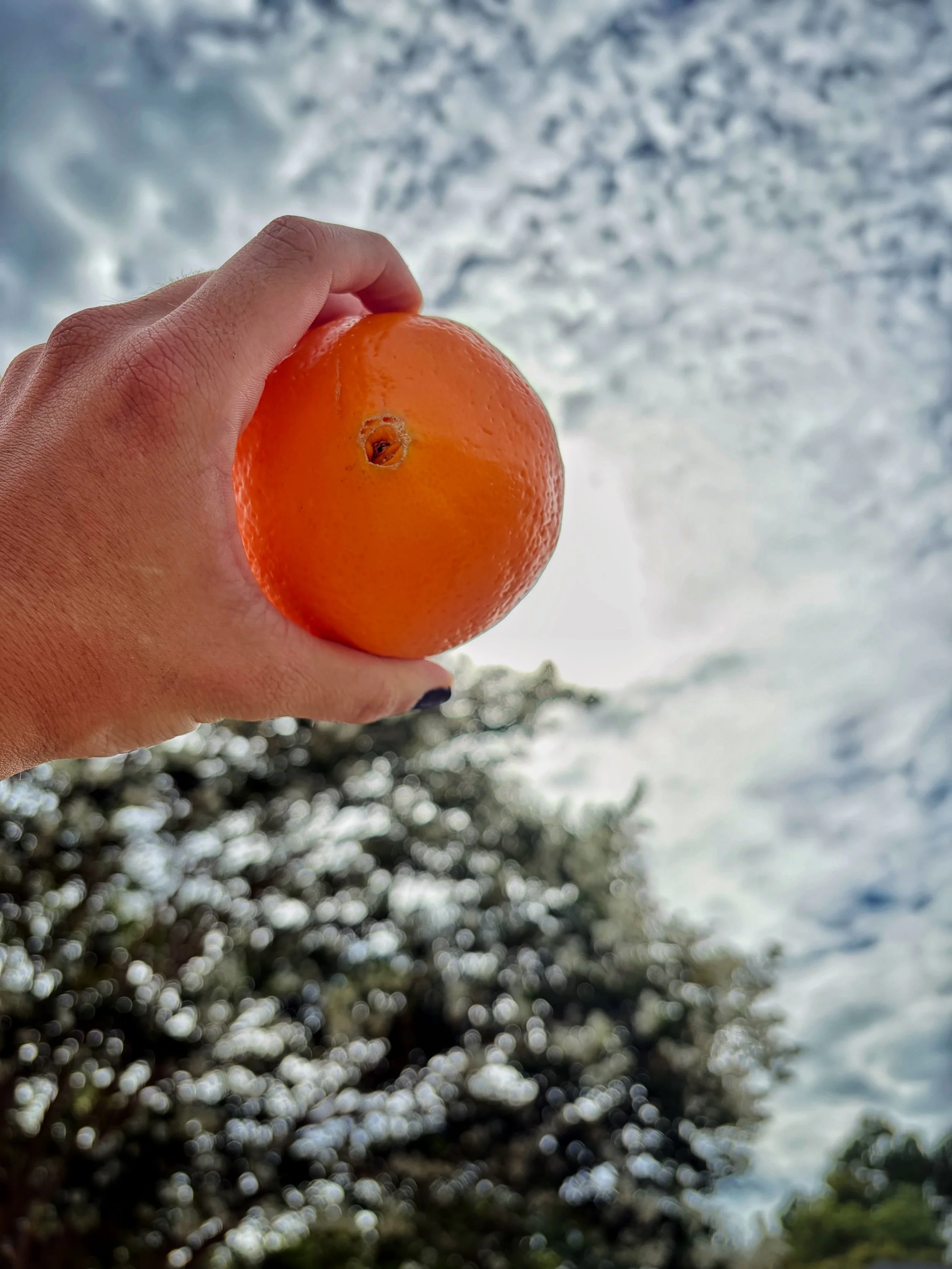
An Orange
(in case you’ve never seen one before)
In 2023, I wanted to explore meditation. My friends assumed I was going to buy a quick read, but in true Wargo fashion I instead bought 24 lectures by theology PhD Mark Muesse. The first lectures were on history and cultural influences. Then came lectures on traditional meditations like body scans, sitting, and walking. At the end of those, he said to bring an orange to the next lecture. I thought it was silly and it took me several days to remember to buy an orange, but it ended up being a defining moment for me.
That next guided meditation was unusual but simple - experience an orange with all senses, taste last. Really see, feel, and smell the orange before you peel it. Hear the skin as you peel it an inch and then smell it again. Notice your mouth watering, and the feelings that arise in you as you get ready to eat the flesh of the orange. To this day, I can still happily spend an hour experiencing an orange, though I’m certainly on the Orange FBI’s most wanted list.
The point that really stuck with me is that anything is a meditation if you’re intentional about it. The rest of the lectures in the series focused on turning mundane activities like cooking dinner, showering, and driving into meditations (the next time you wash your hands, be present and you’ll be amazed at how good it feels). I even incorporated a couple of small meditations into my pilot checklists.
A few years later I was still searching for that same intent in all areas of my life while moving to Nashville to pursue music and studying Type Theory (a field closely related to proofs and knowledge modeling). One afternoon, I was assembling a nightstand for my new apartment, and I came across an incredible example of intentionality in engineering when the bags of screws were labeled 5+1 and 11+2.
1st grade arithmetic tells us that the extent of those bags is 6 and 13 screws. But those addition expressions actually carry more information when you’re done with the job and still have bags with 1 and 2 screws leftover. The expressions carry intent that the “answers” do not.
In type theory there are two main definitions of equality - extensional equality where two values are considered equal if they look the same from the outside, and intensional equality where two values are considered equal only if they have the same definition. For example, on this webpage, “white”, “the color of the text”, and “the color of the sun in that photo” are extensionally the same colors, but intensionally different.
In math and engineering, we often aim to reduce our answers to the simplest forms that are extensionally correct. In the absence of a greater intent that’s not a bad instinct. But when working on projects with other people, taking the time to pick the phrasing that is intensionally correct is what creates readability and maintainability.